
Long-lasting Cutting picks reduce material waste, lower steel and carbide consumption, and minimize the frequency of tool replacements. This leads to fewer shipments, reduced energy usage, and a smaller environmental footprint. More efficient cutting also reduces machine emissions by decreasing energy demand, contributing to more sustainable mining operations.
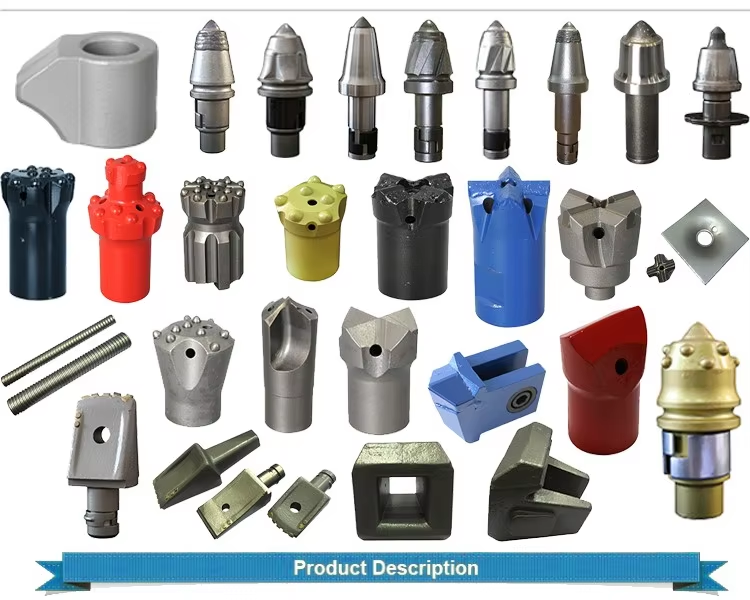
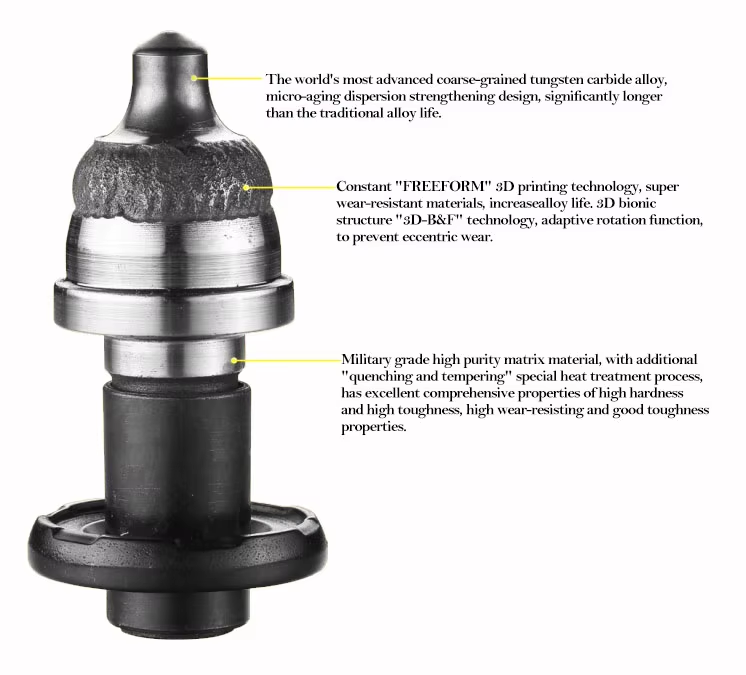
A cutting pick is a replaceable cutting tool used on rotating drums or cutting heads of mining and construction equipment. It typically consists of:
A carbide tip (tungsten carbide)
A steel body
A brazed joint between the carbide and steel
A retention sleeve or clip to fix it on the tool holder
Cutting picks are designed to fracture rock, coal, asphalt, or frozen soil through a combination of impact, shearing, and abrasion.
Cutting and breaking solid materials
Maintaining optimal penetration during excavation
Protecting the cutting drum and reducing wear
Ensuring stable energy consumption and machine efficiency
High-quality cutting picks reduce downtime, extend machine life, and lower overall operational costs.
| Property | Value |
| Carbide Hardness | HRA 89–93 |
| Carbide Density | 14.4–14.8 g/cm³ |
| Steel Body Hardness | HRC 40–48 |
| Impact Strength | ≥ 18 J |
| Thermal Resistance | Up to 900–1000°C (Milling Picks) |
| Wear Resistance | +20–35% vs. standard carbide |
| Fracture Toughness | High (tip protection geometry available) |
| Model | Milling Machine |
| Carbide tip | 12mm*19mm |
| Material | Carbon Steel + 42crmo |
| Processing Type | Forging |
| Hardness | HRC45~50 |
| Weight | 0.5kg/pc |
| Application | Road Milling, Trenching and rock crushing |
| Work condition | medium to hard rock and concrete |
| Apply To Drill Machine Brand | Wirtge, Betek, Kennametal etc |
Different industries require different pick geometries, sizes, and materials. Below are the common categories:
Used for coal mines, soft rock, and semi-hard rock cutting. Designed for continuous miners, shearers, roadheaders, and longwall equipment.
Designed for TBMs and tunnel roadheaders with enhanced impact resistance.
Mounted on trenchers used in pipeline, cable laying, and municipal engineering.
Used on drilling rigs for hard strata or mixed ground conditions.
Used for asphalt milling and concrete planing with high wear resistance.
Diameter: 10–20 mm
Height: 8–15 mm
Shape: Conical / Semi-conical / Wear-protected
Overall length: 100–180 mm
Body diameter: 30–50 mm
Shaft type: Straight, tapered, or reinforced
Carbide hardness: HRA 88–92
Steel body hardness: HRC 40–50
Brazing layer: High-temperature silver-based alloy
Impact resistance
Anti-fracture performance
Thermal stability
Abrasion resistance
Proper specification selection is critical for long service life.
Material quality determines the durability and cutting efficiency of picks. Premium materials significantly reduce the frequency of replacement and prevent catastrophic failures.
Carbide is the most important part of any cutting pick. Common grades include:
| Grade | Application | Characteristics |
|---|---|---|
| YG11C | Coal & soft rock | High toughness |
| YG13C | Medium-hard rock | Toughness + hardness balanced |
| YG15C / YG16C | Hard rock, asphalt | High wear resistance |
| Customized ultra-fine grain carbide | High-wear environments | Superior fracture resistance |
Premium carbide ensures:
Better impact resistance
Higher penetration rate
Slower tip wear
Reduced tip breakage
High-strength alloy steels are used to support the carbide tip:
42CrMo
40CrNiMoA
35CrMnSiA
Customized boron steel
High toughness to absorb impact
Resistance to deformation
Good weldability and machinability
Silver-based brazing alloys offer:
High temperature tolerance
Strong bonding
Anti-impact performance
Without proper brazing, carbide tips may detach during operation—one of the most dangerous failures in mining equipment.
Carbide powders are mixed and sintered
Alloy steels are forged or cast
Accurate shaping of the steel body ensures:
Proper pick geometry
Smooth insertion into tool holders
Uniform performance
Modern sintering techniques include:
Vacuum sintering
HIP (Hot Isostatic Pressing) sintering
Cemented carbide grading
High-temperature induction brazing joins carbide with steel:
Brazing temp: 850–1000°C
Silver alloy filler
Constant monitoring to avoid porosity
Ensures steel strength and elasticity:
Quenching
Tempering
Hardness adjusting (HRC 40–50)
Sand blasting
Anti-corrosion treatment
Chrome plating (optional)
Checks include:
Carbide microstructure
Brazing strength
Hardness test
Dynamic impact test
Wear simulation
A single manufacturing defect can shorten tool life by up to 70%.
Cutting picks are widely used in:
Longwall shearers
Continuous miners
Roadheaders
Advantages:
High cutting efficiency
Stable penetration
Reduced sparks in coal mines
Used in TBMs and roadheaders:
Basalt
Granite
Limestone
These picks require extreme wear resistance and thermal stability.
Used to cut:
Sandstone
Clay
Mixed soil
Stable cutting performance ensures deeper, more uniform trenches.
Road milling machines use picks to remove:
Asphalt pavements
Road surfaces
Airport runways
High-temperature resistant carbide is essential.
Cutting through:
Frozen ground
Compacted soil
Weathered rock
Reinforced picks improve drilling speeds.
| Material | Suggested Pick Type |
|---|---|
| Soft rock & coal | High-toughness carbide |
| Medium rock | Standard conical pick |
| Hard rock | Wear-resistant carbide + reinforced body |
| Asphalt | Heat-resistant pick |
Different machines require specific:
Shank diameters
Retaining systems
Body lengths
Consider:
Temperature
Impact load
Abrasiveness
Working hours
Look for:
ISO certifications
Full inspection system
Sample testing
Material traceability
Proper usage dramatically extends the lifespan of cutting picks.
Check for:
Excessive wear
Cracks
Carbide tip loss
Body deformation
A damaged drum accelerates pick wear 3–5×.
Uneven replacement causes:
Imbalanced cutting
Higher vibration
Damaged bearings
Overheating occurs when:
Cutting surface is too hard
Drum pressure is too high
Picks are blunt
Keeps picks rotating freely.
Causes
Poor brazing
Excessive heat
Overloaded cutting
Solutions
Use high-temp brazing materials
Reduce drum pressure
Improve cooling
Possible reasons
Wrong carbide grade
Harder rock than expected
Low-quality steel
Fix
Select high-wear grades like YG16C or ultra-fine carbide.
Likely due to:
Insufficient heat treatment
Structural defects
Rock too hard for standard design
Possible causes:
Dull picks
Missing picks
Drum imbalance
Depends on:
Material hardness
Machine type
Carbide grade
General rule: Replace when carbide is worn by 60–70%.
Choosing better picks increases:
Productivity
MTBF (mean time between failures)
Cutting speed
And reduces:
Energy consumption
Machine repair costs
Downtime
Saving millions annually in large mining operations.
Cutting picks are critical consumables that directly influence the efficiency, safety, and cost of mining and construction operations. By understanding their materials, manufacturing processes, applications, and performance characteristics, businesses can make informed procurement decisions and optimize their cutting systems for long-term reliability.
 RELATED
 RELATED
RELATED
RELATED
 RELATED
This website uses cookies to ensure you get the best experience on our website.





 Phone
Phone E-mail