


Cutting pick failures
Certainly — here is a 500-word English description about cutting pick failures, with no company names mentioned:---Description of Cutting Pick FailuresCutting pick failures are a common issue in the mining, tunneling, and construction industries where cutting tools are used to break through hard materials such as rock, concrete, or compacted soil. A cutting pick is designed to withstand extremely high levels of impact, abrasion, and heat during operation. However, when the working conditions become too severe or the tool is not properly maintained, failures can occur and negatively affect production efficiency, equipment life, and operational safety.There are several typical forms of cutting pick failure. One of the most common is excessive wear on the pick tip or body. Over time, the cutting surface becomes blunt due to continuous contact with abrasive materials. This reduces cutting efficiency and increases the load on the machine. Another common failure mode is pick fracture, where the tool breaks suddenly under high impact stress. This may happen if the pick encounters unexpected hard objects such as metal, oversized rocks, or reinforced material. In some cases, the pick may also fail due to holder damage, loosening, or improper installation, causing unstable operation and uneven wear.The main reasons for cutting pick failure usually include poor material selection, incorrect operating parameters, and insufficient maintenance. If the pick material does not have adequate hardness, toughness, or wear resistance, it will fail prematurely. Operating the machine at excessive speed, pressure, or cutting angle can also increase the risk of damage. In addition, inadequate lubrication, dust accumulation, or overheating may accelerate wear and lead to cracking or deformation. Environmental conditions such as high moisture, corrosive substances, or abrasive dust can further shorten service life.Cutting pick failure can lead to several serious consequences. Production efficiency decreases because damaged picks cannot cut effectively and must be replaced more often. This results in more machine downtime, higher maintenance costs, and increased labor demand. Repeated failure may also cause secondary damage to the cutting head, pick holder, or related components. In severe cases, a broken pick can create safety hazards for nearby workers or damage the surrounding equipment.To reduce cutting pick failures, regular inspection and preventive maintenance are essential. Worn or damaged picks should be replaced promptly before they cause additional problems. Operators should use the correct cutting speed, pressure, and angle based on material conditions. Selecting picks made from high-quality wear-resistant materials can also improve durability. Proper lubrication, cleaning, and monitoring of operating temperature help extend tool life. In addition, training workers to recognize early signs of wear or damage can prevent unexpected breakdowns.In conclusion, cutting pick failure is caused by a combination of wear, impact, poor operating practices, and harsh working environments. By improving tool selection, machine operation, and maintenance procedures, it is possible to reduce failure rates and maintain stable, efficient production.---If you want, I can also make it more technical, simpler, or formatted for a report.
Products
Category:
-
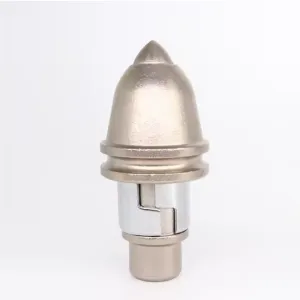
Cutting pick failures and manufacturer how to prevent them in harsh conditions
Category: Cutting PickBrowse number: 37Number:Release time: 2025-11-18 02:03:31Common cutting pick failures include carbide fracture, body wear, thermal cracking, and loss of brazing strength. Preventing these issues requires selecting the right grade of carbide, using picks with proper heat-treatment, ensuring correct machine alignment, and maintaining consistent lubrication. Routine inspections and choosing high-quality picks dramatically reduce failure risks in abrasive or high-impact environments. -
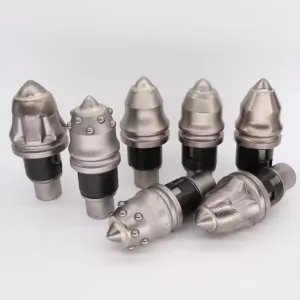
Why carbide grade matters for your cutting pick’s performance
Category: Cutting PickBrowse number: 32Number:Release time: 2025-11-18 03:01:57Carbide grade influences hardness, toughness, thermal stability, and resistance to fracture. Using the correct grade ensures optimal balance between strength and durability under abrasive or high-impact conditions. Selecting the proper carbide formulation helps cutting picks maintain sharper edges, extend service life, and support stable cutting efficiency in mining and construction. -
Cutting pick wear patterns and what they tell you
Category: Cutting PickBrowse number: 45Number:Release time: 2025-11-18 03:17:44Wear patterns such as abrasive wear, thermal cracking, and carbide spalling reveal the operating environment and potential mechanical issues. By analyzing these patterns, operators can adjust cutting speed, improve alignment, or upgrade to more suitable carbide grades. Understanding wear behavior helps optimize performance and reduce maintenance costs.
News
Category:
No search results found!
Case
Category:
No search results found!
Video
Category:
No search results found!
Download
Category:
No search results found!
Job
Category:
No search results found!
Featured Products
-
NEWS
Cutting pick failures and manufacturer how to prevent them in harsh conditions
Learn more -
NEWS
Why carbide grade matters for your cutting pick’s performance
Learn more -
NEWS
Cutting pick wear patterns and what they tell you
Learn more



 Phone
Phone E-mail