


cutting pick geometry
Sure — here is a 500-word English description of cutting pick geometry without any company names:---Cutting Pick GeometryCutting pick geometry refers to the shape, dimensions, and structural design of a cutting pick used in excavation, mining, road milling, trenching, and similar material cutting applications. The geometry of a cutting pick plays a critical role in determining cutting efficiency, tool life, wear resistance, and overall machine performance. A well-designed geometry can reduce cutting force, improve penetration, and enhance the removal of material while minimizing energy consumption.The main geometric features of a cutting pick include the tip shape, body profile, shank dimensions, taper angle, and carbide insert positioning. The cutting tip is the most important part because it directly contacts the working surface. Common tip geometries include conical, chisel, parabolic, and asymmetrical shapes. Each design serves a different purpose. For example, a conical tip provides concentrated force for high penetration, while a chisel tip is better for wider cutting paths and more uniform material removal. Parabolic designs often balance penetration and durability, making them suitable for mixed or abrasive materials.The body geometry of the pick affects stability and load distribution during cutting. A smooth transition between the tip and the shaft reduces stress concentration and helps prevent premature failure. The shank must fit securely into the holder or tool mount, and its dimensions must match the machine requirements. In many cases, the shank is cylindrical or slightly tapered to ensure proper alignment and retention. The angle between the pick body and the cutting direction also influences cutting performance, as an optimized angle can reduce drag and vibration.Carbide insert geometry is another essential factor. The carbide tip is usually made from a hard, wear-resistant material that can withstand high impact and abrasion. Its size, exposure length, and placement relative to the steel body determine how effectively the pick can cut through hard surfaces. A larger exposed carbide tip may improve cutting performance in soft to medium materials, while a more protected geometry may be preferred in extremely abrasive or impact-heavy conditions.Cutting pick geometry must also consider wear behavior. During operation, the tip gradually wears down, changing the original geometry. Designers often account for this by selecting shapes that maintain effective cutting action over time. In some applications, self-sharpening geometry is preferred because it helps maintain performance as the tool wears. This is especially useful in hard rock or asphalt cutting, where consistent penetration is important.In addition to cutting efficiency, geometry affects heat generation, vibration, and noise. Poorly designed picks may cause excessive shock loading, leading to faster wear, machine damage, and reduced productivity. Therefore, the geometry must be carefully matched to the material being cut, the machine power, and the operating conditions.In summary, cutting pick geometry is a fundamental aspect of tool design that directly influences cutting performance, durability, and operating cost. By optimizing the shape, angles, and material arrangement, engineers can create cutting picks that perform efficiently in a wide range of demanding applications.---If you want, I can also make it:1. more technical, 2. simpler for general readers, or 3. translated into Chinese after the English version.
Products
Category:
-
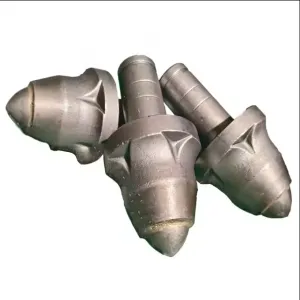
Why ground conditions determine coal cutting pick geometry
Category: Cutting PickBrowse number: 43Number:Release time: 2025-11-18 03:20:09Different ground conditions—soft coal, abrasive sandstone, or hard granite—require specific pick geometries. Shorter, tougher designs suit high-impact rock, while longer, sharper tips perform better in softer materials. Matching geometry to ground conditions ensures efficient cutting, lowers fuel consumption, and minimizes premature wear.
News
Category:
No search results found!
Case
Category:
No search results found!
Video
Category:
No search results found!
Download
Category:
No search results found!
Job
Category:
No search results found!
Featured Products
-
NEWS
Why ground conditions determine coal cutting pick geometry
Learn more



 Phone
Phone E-mail