


drill rod fatigue
Drill rod fatigue is a critical issue in drilling operations, especially in mining, construction, geothermal exploration, and foundation work. A drill rod is designed to transmit rotational torque, axial force, and impact energy from the drilling machine to the drill bit. Over time, the repeated application of these loads can cause material degradation, leading to fatigue failure. Fatigue is different from sudden overload failure because it develops gradually through cyclic stress, even when the stress level is below the material’s ultimate strength.The main cause of drill rod fatigue is the continuous repetition of tension, compression, bending, and torsional stresses. During drilling, the rod experiences frequent changes in load direction and magnitude. If the rod is not properly aligned, or if the borehole is deviated, additional bending stress is introduced. Vibration and shock loading can also accelerate crack initiation. In abrasive or hard geological formations, the drill rod may be exposed to higher resistance, increasing the stress on the material. Poor lubrication, excessive speed, and improper operating parameters can further contribute to fatigue damage.Fatigue failure usually begins at a small surface defect, scratch, thread root, or area with stress concentration. Over time, microscopic cracks form and slowly grow with each loading cycle. These cracks may be difficult to detect in early stages because the rod can still appear functional. As the crack propagates, the effective cross-sectional area of the rod becomes smaller, reducing its strength. Eventually, the remaining material can no longer support the applied load, causing sudden fracture. In many cases, the final break occurs without much warning, which makes fatigue particularly dangerous.Visual signs of drill rod fatigue may include surface cracks, unusual wear near threaded connections, deformation, discoloration from overheating, and a change in vibration or noise during operation. Regular inspection is important to identify early damage before failure occurs. Non-destructive testing methods such as magnetic particle inspection, ultrasonic testing, or dye penetrant inspection can help detect hidden cracks.Preventing drill rod fatigue requires proper design, maintenance, and operation. Using high-quality materials with good toughness and fatigue resistance is essential. Stress concentration should be minimized through careful thread design and smooth surface finishing. Operators should avoid excessive load, maintain correct alignment, and follow recommended drilling parameters. Routine cleaning, lubrication, and inspection also help extend service life. When drill rods show significant wear or cracking, they should be replaced immediately.In summary, drill rod fatigue results from repeated cyclic loading and environmental stress during drilling. Understanding its causes, signs, and prevention methods is essential for improving safety, reducing downtime, and ensuring efficient drilling performance.
Products
Category:
-
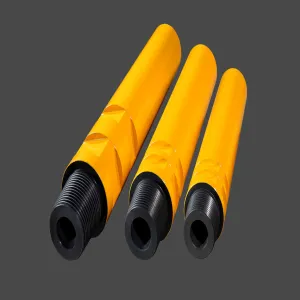
The Ultimate Maintenance Guide for DI22 Raise Drill Rods: Extending Your Equipment Life
Category: Raise Boring ToolsBrowse number: 25Number:Release time: 2026-06-22 14:44:34In the high-pressure world of underground mining, where a single hour of unplanned downtime can cost a project tens of thousands of dollars, the drill string is your most critical asset.
News
Category:
No search results found!
Case
Category:
No search results found!
Video
Category:
No search results found!
Download
Category:
No search results found!
Job
Category:
No search results found!
Featured Products
No search results found!



 Phone
Phone E-mail