


Roller cutter bearing failure
Certainly — here is an approximately 500-word English description of roller cutter bearing failure, without any company names:---Roller Cutter Bearing Failure DescriptionRoller cutter bearing failure is a common problem in drilling and cutting operations, especially when the equipment is exposed to high loads, extreme pressure, heat, vibration, and contaminated working environments. The bearing is a critical component inside the roller cutter, allowing smooth rotation while supporting axial and radial forces. When the bearing fails, the cutter cannot rotate properly, which reduces cutting efficiency, increases friction, and may eventually lead to severe equipment damage or operational interruption.One of the main causes of roller cutter bearing failure is insufficient lubrication. Bearings require a stable and clean lubricating film to reduce metal-to-metal contact. If lubrication is inadequate, degraded, or contaminated by dirt, water, or metal particles, friction increases rapidly. This leads to overheating, surface wear, scoring, and premature fatigue. Over time, the bearing surfaces may become pitted or cracked, causing abnormal noise, vibration, and loss of rotation performance.Another important cause is overload. Roller cutters often operate under very heavy pressure, especially in hard rock or abrasive material conditions. When the bearing is subjected to loads beyond its design limit, internal stress rises significantly. This can deform rolling elements, damage raceways, and cause cage failure. Repeated overloads may shorten the service life of the bearing even if the damage is not immediately visible.Seal failure is also a major contributor to bearing failure. The seal protects the internal bearing system from dust, slurry, moisture, and other contaminants. Once the seal is damaged or worn, foreign particles can enter the bearing cavity and contaminate the lubricant. This contamination accelerates wear and corrosion, which may lead to jamming or complete bearing seizure. In many cases, seal damage and bearing failure occur together.Improper installation or manufacturing defects can also lead to early failure. If the bearing is assembled with incorrect clearance, poor alignment, or damaged components, stress is not distributed evenly during operation. This can cause uneven wear, localized overheating, and early fatigue cracking. In addition, poor material quality or surface defects may reduce the bearing’s ability to withstand repeated loading cycles.The symptoms of roller cutter bearing failure usually include unusual noise, increased torque, higher operating temperature, reduced cutting speed, vibration, and irregular rotation. In advanced stages, the cutter may become locked, and fragments of damaged bearing material may contaminate the surrounding system.Preventive maintenance is essential to reduce the risk of failure. Regular inspection, proper lubrication, effective sealing, correct assembly, and monitoring of operating conditions can significantly extend bearing life. Using the equipment within its rated load range and avoiding excessive shock loads are also important.In summary, roller cutter bearing failure is typically the result of lubrication problems, overload, seal damage, contamination, or improper installation. Early detection and proper maintenance are key to improving reliability and preventing costly downtime.---If you want, I can also rewrite it in:1. more technical English, 2. simpler English, or 3. a report-style format.
Products
Category:
-
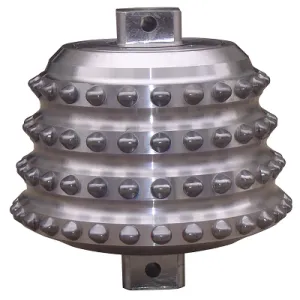
Preventing Premature Bearing and Seal Failures in High-Thrust Raise Boring: Advanced Thermal Management and Bearing Technologies
Category: Raise Boring ToolsBrowse number: 9Number:Release time: 2026-07-24 15:52:31In the demanding discipline of raise boring, the spotlight is almost exclusively cast on the cutting structure. Operators meticulously debate the merits of different solid tungsten carbide insert profiles, carbide grades, and kerf spacing.
News
Category:
No search results found!
Case
Category:
No search results found!
Video
Category:
No search results found!
Download
Category:
No search results found!
Job
Category:
No search results found!
Featured Products
No search results found!



 Phone
Phone E-mail