


thread galling prevention
Thread galling prevention is an important topic in mechanical assembly, especially for fasteners made from stainless steel, aluminum, titanium, and other materials with high friction or similar hardness. Galling is a form of surface damage caused by adhesion between sliding threads during tightening. When two metal surfaces rub under high pressure, small areas can weld together momentarily and then tear apart, leaving rough surfaces, seized threads, or even complete fastener failure. Preventing galling is essential to ensure reliable assembly, easier maintenance, and longer service life.One of the most effective ways to prevent thread galling is to use proper lubrication. Anti-seize compounds, thread lubricants, and specialized coatings reduce friction and minimize direct metal-to-metal contact. These products help the threads slide smoothly during tightening and loosening. It is important to choose a lubricant that is compatible with the application environment, such as high temperature, corrosive conditions, or food-grade requirements. Applying the right amount is also important; too little may not provide enough protection, while too much can affect torque values and assembly accuracy.Material selection also plays a major role in galling prevention. Similar metals, especially stainless steel against stainless steel, are more likely to gall. Using dissimilar materials can reduce the risk, such as pairing stainless steel with coated fasteners or using materials with different hardness levels. Heat-treated or surface-hardened components may also perform better because harder surfaces are less likely to adhere under pressure. In some cases, selecting a fastener with a different alloy or finish is enough to significantly reduce galling problems.Surface treatment is another useful method. Coatings such as dry film lubricants, zinc-based finishes, phosphate coatings, or engineered anti-friction coatings can lower the coefficient of friction and improve thread performance. These treatments can be especially helpful in repeated assembly and disassembly applications. Proper storage and handling of fasteners are also important, because contamination, rust, or surface damage can increase friction and promote galling.Correct installation practices should not be overlooked. Over-tightening increases thread pressure and heat, both of which raise the chance of galling. Using calibrated torque tools, following recommended torque values, and tightening at a controlled speed can help prevent damage. Cross-threading must also be avoided, since misalignment creates uneven loading and severe surface abrasion. Starting threads by hand before using tools is a simple but effective best practice.In addition, regular inspection and maintenance help identify early signs of thread wear before serious galling occurs. Fasteners that show roughness, discoloration, or resistance during operation should be replaced or reconditioned. In critical applications, testing under actual service conditions is recommended to verify that the chosen fastener design and lubricant combination will perform reliably.In summary, thread galling prevention depends on a combination of lubrication, material choice, surface treatment, and proper assembly technique. By controlling friction and avoiding excessive stress, engineers and technicians can greatly improve fastener reliability and reduce the risk of seizure or damage.
Products
Category:
-
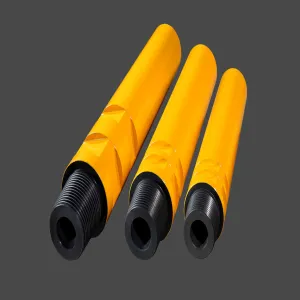
The Ultimate Maintenance Guide for DI22 Raise Drill Rods: Extending Your Equipment Life
Category: Raise Boring ToolsBrowse number: 25Number:Release time: 2026-06-22 14:44:34In the high-pressure world of underground mining, where a single hour of unplanned downtime can cost a project tens of thousands of dollars, the drill string is your most critical asset.
News
Category:
No search results found!
Case
Category:
No search results found!
Video
Category:
No search results found!
Download
Category:
No search results found!
Job
Category:
No search results found!
Featured Products
No search results found!



 Phone
Phone E-mail