


tungsten carbide insert (TCI) wear
Tungsten carbide insert (TCI) wear is a common and important issue in drilling, cutting, and other high-load industrial applications. Tungsten carbide inserts are widely used because they offer excellent hardness, strong wear resistance, and good performance under harsh conditions. However, even these durable tools are not immune to damage. Over time, contact with abrasive materials, high temperatures, and repeated mechanical stress can cause the surface of the insert to degrade. Understanding the wear behavior of TCIs is essential for improving tool life, reducing operating costs, and maintaining stable performance.TCI wear usually begins at the cutting edges or exposed contact surfaces. In many cases, the first signs are small chips, edge rounding, or minor surface scratches. As wear progresses, the insert may lose its sharp geometry, which reduces cutting efficiency and increases energy consumption. In more severe conditions, cracks can form on the surface or near the edge due to impact loading or thermal stress. Once cracking begins, the damage can spread quickly, leading to premature failure of the insert.There are several main wear mechanisms affecting tungsten carbide inserts. Abrasive wear occurs when hard particles or rough materials scrape against the surface, gradually removing material. Adhesive wear happens when the insert surface sticks to the work material and small fragments are torn away during separation. Fatigue wear develops from repeated cyclic loading, which creates microcracks and eventually causes material loss. In high-temperature environments, oxidation and thermal degradation can also weaken the insert surface and accelerate wear. In some applications, chemical interaction with the surrounding medium may further contribute to surface damage.The rate of TCI wear depends on many factors. Material hardness, insert geometry, operating speed, temperature, lubrication, and the presence of contaminants all play important roles. For example, a sharper cutting angle may improve performance but can also increase edge stress. Similarly, insufficient cooling or lubrication can raise friction and temperature, making the insert wear faster. The type of material being processed is also critical. Highly abrasive or dense materials usually cause faster wear than softer materials.Monitoring TCI wear is important for safe and efficient operation. Regular inspection can help identify early signs of damage before complete failure occurs. Common indicators include loss of edge sharpness, surface pitting, crack formation, and reduced cutting performance. By replacing inserts at the right time, operators can prevent damage to surrounding equipment and avoid unplanned downtime.To reduce TCI wear, several strategies can be used. Selecting the correct insert grade and geometry for the application is one of the most effective methods. Proper operating parameters, including speed, feed, and load, should also be maintained. In addition, effective cooling, lubrication, and material cleanup can significantly extend tool life. In many cases, optimizing these conditions can improve both productivity and cost efficiency.In summary, tungsten carbide insert wear is a natural but manageable process. Although TCIs are designed for durability, their performance can still be affected by abrasion, impact, heat, and fatigue. Careful selection, operation, and monitoring can greatly reduce wear and improve overall service life.
Products
Category:
-
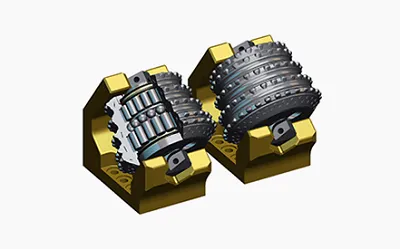
Maximizing the Lifespan of Solid Tungsten Carbide Roller Cone Cutters in Raise Boring
Category: Raise Boring ToolsBrowse number: 4Number:Release time: 2026-07-24 15:38:29In the highly specialized field of mechanized rock excavation, the Raise Boring Machine (RBM) represents a massive capital and operational investment. Whether utilized for excavating ventilation shafts, ore passes, or penstocks in hydroelectric projects, the efficiency of an RBM hinges almost entirely on the performance of the cutting tools mounted on the reamer head.
News
Category:
No search results found!
Case
Category:
No search results found!
Video
Category:
No search results found!
Download
Category:
No search results found!
Job
Category:
No search results found!
Featured Products
No search results found!



 Phone
Phone E-mail